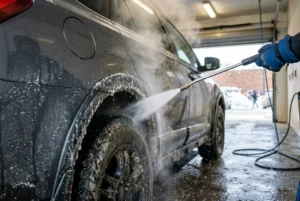


Road salt keeps highways open in January. It also works its way into your rocker panels, smears your windshield and leaves white rings on your floor mats. Below is the checklist in the order the jobs actually come up, from the first snow to the spring thaw.
Seal the paint and treat rubber door seals before the first snow, and swap carpet mats for rubber ones. During salt season, rinse the underbody whenever it climbs above freezing, clean the inside of the windshield and keep mats dry so the glass doesn’t fog. Lift salt stains from carpet before they set. At the thaw, do a full wash and re-protect.
Why is road salt so hard on cars in Canada?
Canadian roads take about five million tonnes of road salt every year, according to Environment and Climate Change Canada. Most of it is sodium chloride: Quebec’s environment ministry puts the Canadian mix at 97% sodium chloride and 2.9% calcium chloride. Dissolved in slush, it sticks to every surface your tires throw it at.
The damage that matters most is the part you can’t see: the underbody, brake lines, wheel wells and the bottom edges of the doors. The white film on your paint and the rings on your carpet are the visible version of the same problem.
When we read through 950 car-care and garage threads for our customer research, winter salt was the top reason Canadian drivers went looking for detailing products, raised in 144 separate posts. The most common plan was blunt: rinse the salt off every couple of weeks, or give up and wait until spring.
Before the first snow: 4 jobs
Do these while daytime temperatures are still above freezing.
1. Wash and seal the paint
A clean, sealed finish gives salt and slush less to grip. A spray sealant is the realistic choice for most drivers: Canadian detailers in our research reapplied spray sealants every three to six months, so one coat in late fall carries you most of the way to spring. The Turtle Wax Hybrid Solutions ceramic spray coating is one option.
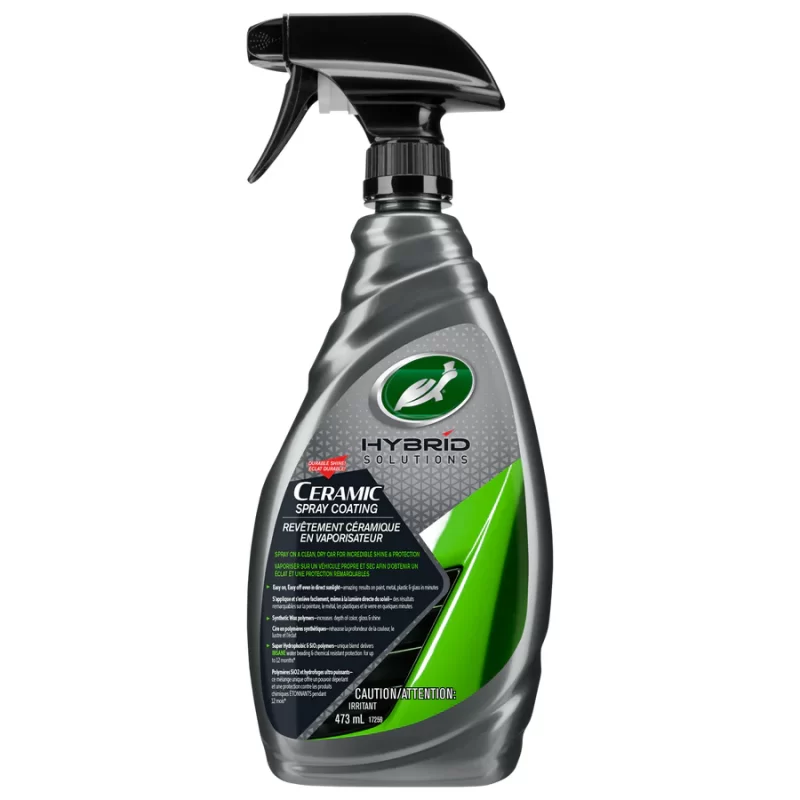
Work one panel at a time, out of direct sun, and follow the label directions.
One thing to know before you pay coating prices: a ceramic spray is a sealant, not a professional ceramic coating. Several Canadian detailers in our research made that point, and they’re right.
2. Treat door, trunk and fuel-door seals
Frozen doors start with water sitting on the rubber gaskets. Wipe the seals clean, then apply a thin coat of silicone so water beads off instead of freezing the door to the frame. Blaster industrial strength silicone lubricant is one option; check the can says it’s safe on rubber.
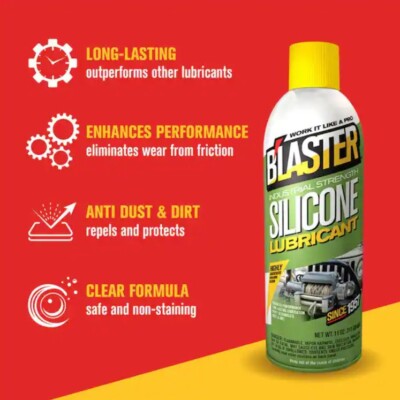
Spray it onto a cloth first so it doesn’t land on the glass.
3. Swap to rubber floor and trunk mats
Carpet mats soak up meltwater and salt, then dry into white crust. Rubber mats with raised ridges hold the slush so you can tip it out. Canadian drivers in our research use all-weather mats from fall to spring specifically to keep salt off the carpet underneath.
For the cabin, the BDK 4-piece heavy-duty universal floor mats have high ridges to catch debris. For the trunk, where boots and hockey bags land, add a heavy-duty rubber cargo mat. Universal mats won’t match every floor exactly, so lay them in and check the fit before the first snow.
4. Restore headlights and check wipers
Hazy, yellowed lenses throw less light at the time of year you drive home in the dark. A kit such as the Turtle Wax Hybrid Solutions headlight restoration kit clears the cloudy layer.
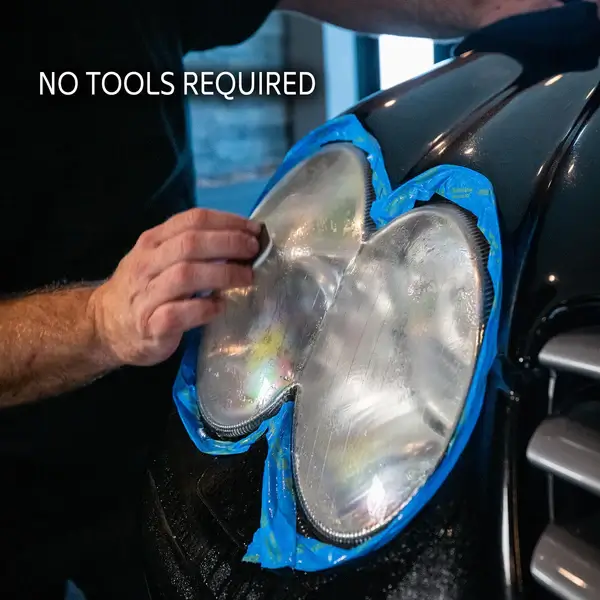
While you’re at the front of the car, replace any wiper blade that streaks and fill the reservoir with winter washer fluid rated for the coldest temperature your area sees.
During salt season: 4 jobs
You don’t need a full detail in January. You need the salt off the metal, clear glass, and a dry cabin.
5. Rinse the underbody whenever it climbs above freezing
The most practical routine in our research came from a Canadian driver who spends about $4 at a wand-wash bay every couple of weeks, just to rinse off heavy salt and dirt. Aim the wand at the wheel wells, rocker panels and behind the bumpers, not only the paint.
Pick a day above 0°C. Before you leave the bay, wipe the door jambs and seals dry, or the doors can freeze shut overnight.
If you have an attached garage, a heated bay makes winter rinses possible on cold weekends. One Canadian driver in our research reported a garage holding around 5 to 10°C without extra heat. A dedicated unit such as the Heat Storm 6000W garage heater raises that, but check its electrical requirements against your panel first.
6. Clean the inside of the windshield
If your windshield fogs fast and glares at night, the problem is usually on the inside. A film builds up on the inside glass over time, and low winter sun lights it up. Clean it with a dedicated glass cleaner such as Turtle Wax Dash & Glass foaming cleaner and two microfibre towels: one to clean, one dry one to buff.
Wipe side to side on the inside and top to bottom on the outside. If a streak shows up later, its direction tells you which side it’s on.
7. Keep the outside glass salt-free
Salt spray dries into a haze that wipers smear straight across your line of sight. Clean the windshield, side mirrors and backup camera lens at fill-ups with a cleaner such as Gunk streak-free glass cleaner. On a salty windshield, spray washer fluid before you run the wipers so the blades don’t drag grit across the glass.
8. Dry the mats every week
Meltwater sitting in a footwell evaporates into the cabin and condenses on cold glass. That’s why a car with wet mats fogs up faster. Once a week, pull the rubber mats, tip out the slush and let them dry indoors. Knock your boots against the door sill before you get in.
Salt stains on carpet and seats: 2 jobs
White salt rings were the most common winter interior complaint in our research, raised in 26 separate Canadian posts.
9. Lift salt stains from carpet
- Vacuum the dry crust first. Scrubbing dry salt grinds it deeper into the fibres.
- Spray a carpet cleaner such as Turtle Wax Power Out! carpet and mats cleaner, let it sit for the time on the label, then work it in with a stiff brush.
- Blot with a clean, damp towel, working from the outside of the ring inward.
- Let it dry fully, then check. If the ring dries white again, salt is still in the fibres. Repeat.
Do this on a mild day or in a heated garage. Damp carpet in a cold car means foggy glass and a musty smell.
10. Clean and condition leather and vinyl
Salty water from boots and dry heater air both work on seats and door panels all winter. Wipe salt spots off leather with a damp cloth before they dry. Then use a cleaner-conditioner such as Turtle Wax Luxe leather cleaner and conditioner at least once mid-winter and again in spring.
At the spring thaw: 2 jobs
11. Do a full decontamination wash
Once nights stay above freezing, wash the underbody, wheel wells and wheels properly. Spring is when Canadian drivers in our research placed their big detailing orders, so stock up before the first warm weekend. A wheel cleaner such as Turtle Wax Hybrid Solutions Pro wheel cleaner lifts the brake dust and grime winter leaves baked on.
12. Re-protect, then check underneath
Reapply sealant, shampoo any carpet you didn’t get to in winter, and swap mats back if you prefer carpet in summer. While the car is clean, look underneath for chipped undercoating or fresh rust spots. Canadian drivers in our research who rust-proof do it every year or every other year, so spring is the time to book a touch-up.
Quick answers
How often should you wash your car in a Canadian winter?
Every one to two weeks during heavy salt periods is a practical target. Focus on the underbody and wheel wells. You don’t need a full hand wash each time: a quick wand or touchless rinse on a day above freezing removes most of the salt, and the salt is what does the long-term damage.
Is it bad to wash your car below freezing?
Water left on the car freezes in door seals, locks and handles, so a wash below freezing can trade salt for a door that won’t open. If you have to, use a heated wash bay, dry the door jambs and seals by hand, and drive a few minutes before you park outside.
Why does my windshield fog up on the inside in winter?
Moisture inside the car condenses on cold glass. Wet mats, snow on boots and breath all add moisture, and a dirty inner windshield gives it more to cling to. Dry the mats, clean the inside glass, and run the defroster with the A/C on, which pulls moisture out of the air.
Shop the checklist
Every product on this list sits in one place: the KS Products car detailing section. Do the four fall jobs this weekend while it’s still above freezing, and the rest of winter gets a lot easier.